The Santa Clara Valley is quietly re-plumbing itself: ADUs behind San Jose ranch houses, converted garages in Campbell, junior units in Sunnyvale — and nearly every one grows a laundry corner. Our service logs now have a whole genre of calls that aren't really appliance failures at all; they're install physics. Here's what actually goes wrong in backyard laundry, and which parts pay the price.
The drain is the main character
Washers are picky about their standpipe: too low or the hose shoved too deep, and the machine siphons — filling and draining simultaneously, producing marathon cycles, cold rinses and "it never fills" complaints with a perfectly healthy valve. Too high (a common improvisation when the drain ties into a garage sink or a lifted line), and the pump strains against head pressure it wasn't specced for, dying young. The tells are behavioral, not electrical — which is why this genre fools parts-swappers.
Concrete floors and the spin cycle
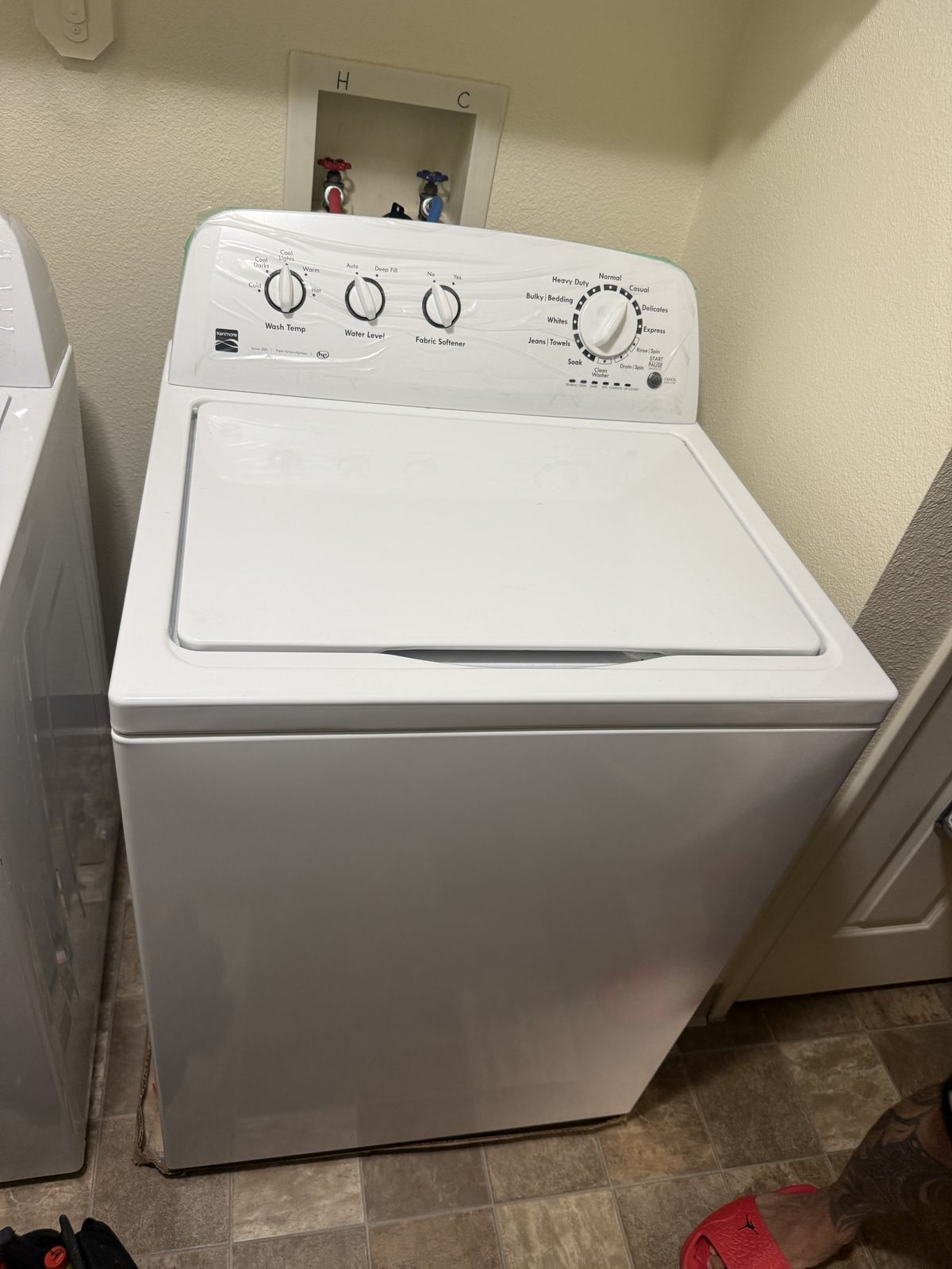
Garage slabs are honest: they transmit every bit of an unbalanced spin into the structure, and they're rarely level. An un-leveled washer on concrete walks, bangs and trips balance aborts constantly — and long-term, it eats its own suspension. The fix costs nothing but a wrench and a bubble level; the suspension it saves costs considerably more.
GFCI outlets: the ghost in the machine
Code puts garage and exterior-adjacent outlets on GFCI protection, and a marginal GFCI plus a washer motor's inrush current equals mid-cycle deaths and machines that seem possessed. If your ADU washer "randomly dies," check the little reset button — and if it trips repeatedly, that's an electrician-and-us conversation, because a genuinely leaking motor or heater also trips GFCIs honestly, and a meter tells those two stories apart.
The long-run problems
Backyard units mean long water and drain runs: more fittings to weep, hoses that bake against west-facing walls in a Los Gatos summer, and dryer vents (for vented machines) taking creative paths that beg for lint restriction — or the ventless-dryer route, which brings its own maintenance rhythm. Braided stainless fill hoses and a yearly look at the runs are cheap insurance for a structure where a small leak meets wood framing fast.
The honest close
When an ADU washer misbehaves, we diagnose the install and the machine together — drain height, level, outlet, hoses, then the appliance itself — because half these calls end with a corrected standpipe instead of a parts invoice, and we'd rather fix the physics than sell you a pump that the physics will kill again.