Ask a showroom which washer to buy and you'll hear about capacity and cycles. Ask a repair bench and you get the other half of the ownership story: what does each design break, how often, and what does the fix cost? After years of South Bay laundry rooms split roughly down the middle, here's the honest ledger from inside the machines.
What front-loaders break
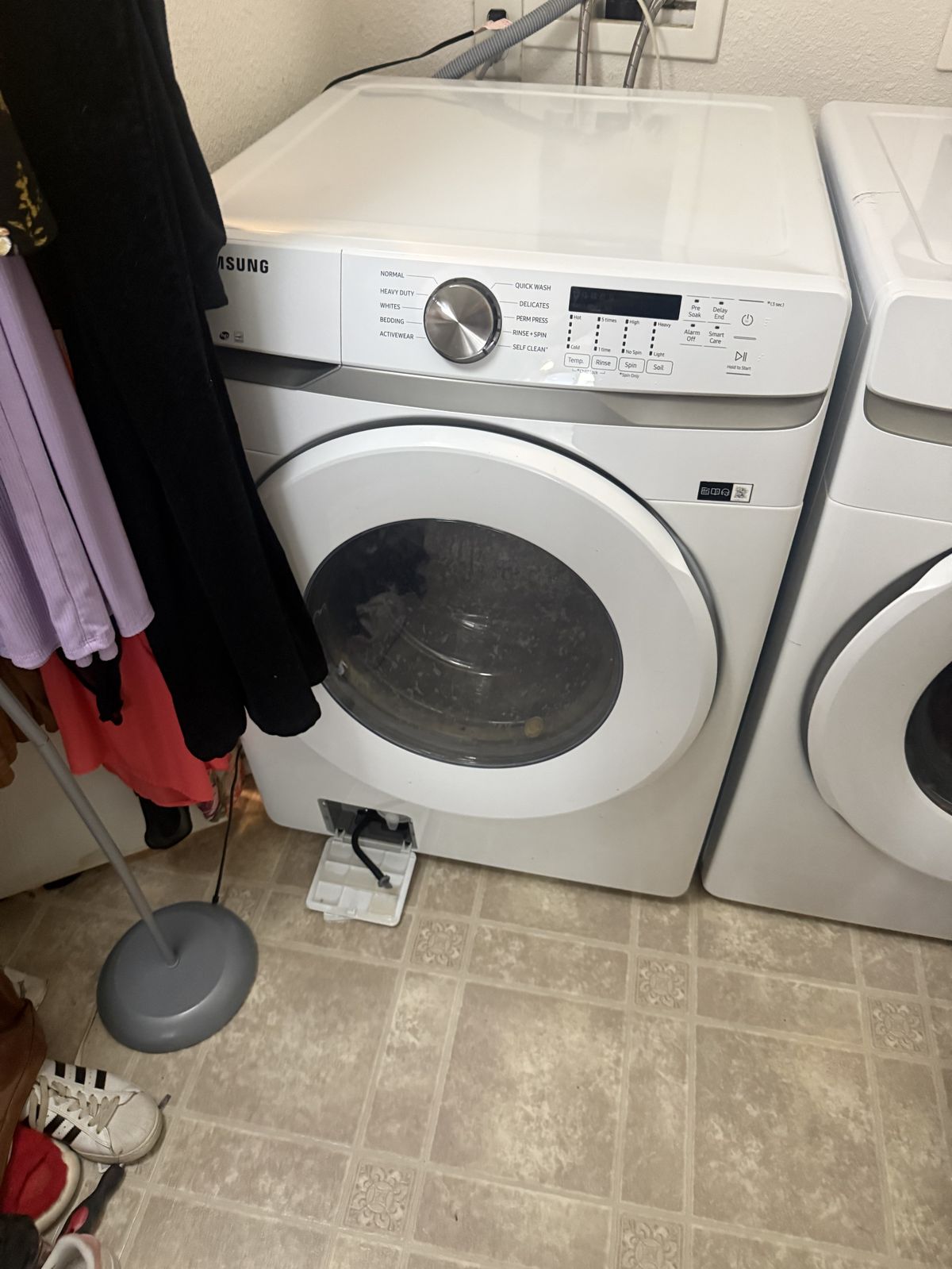
The door boot is the career failure — the big rubber bellows collects water and biology in its folds, and eventually tears; replacement is routine and transformative. Next: shock absorbers (the banging spin), the drain pump (fed a steady diet of socks and coins), and the door lock. The dreaded one is drum bearings — the roaring spin that grows for months; on many modern tubs it's a big job that forces the repair-versus-age conversation. Front-loaders also demand habits: door cracked between loads, correct HE dosing, gasket wiped — skip them and you buy the boot's replacement early.
What top-loaders break
Modern lid-lock machines eat lid locks (interrogated every cycle) and suspension rods (the tub swinging into unbalance aborts); classic agitator machines break the sacrificial motor coupler (washes but won't spin — textbook), drive blocks and the occasional transmission, which is where old machines meet their honest end. Top-loader repairs skew slightly cheaper and more accessible; the design is older and simpler, and it shows on the invoice in a good way.
The shared column
Inlet valves, pressure sensors, control boards, drain paths — both designs share them, and both feel the Santa Clara Valley's split water personality: homes on harder groundwater zones scale their valves faster than imported-supply neighborhoods a mile away. Neither design is immune; the softened-home exemption applies to both.
The verdict from the bench
Total repair spend over a lifetime runs closer than the internet believes. Front-loaders cost more when they fail big (bearings) but wash gentler and cheaper per load; top-loaders fail smaller and simpler but are harder on clothes and water. Our honest tiebreakers: stacking or an ADU closet — front-loader by default; a garage install on rough concrete or a household allergic to maintenance habits — the top-loader forgives more. Whichever you own, the affordable ring of its anatomy is deep, and we stock for both across the San Jose metro — fixed quote either way.