Here's the sentence that reorganizes how people think about ice: health codes classify ice as food. The machine that makes it is a food-contact surface with warm electronics, constant moisture and mineral-rich water — a habitat. Cleaning it isn't fussiness; it's the difference between ice that tastes like nothing (the goal) and ice with a story. Here are the schedules that actually hold up, home and commercial.
Home refrigerator ice makers
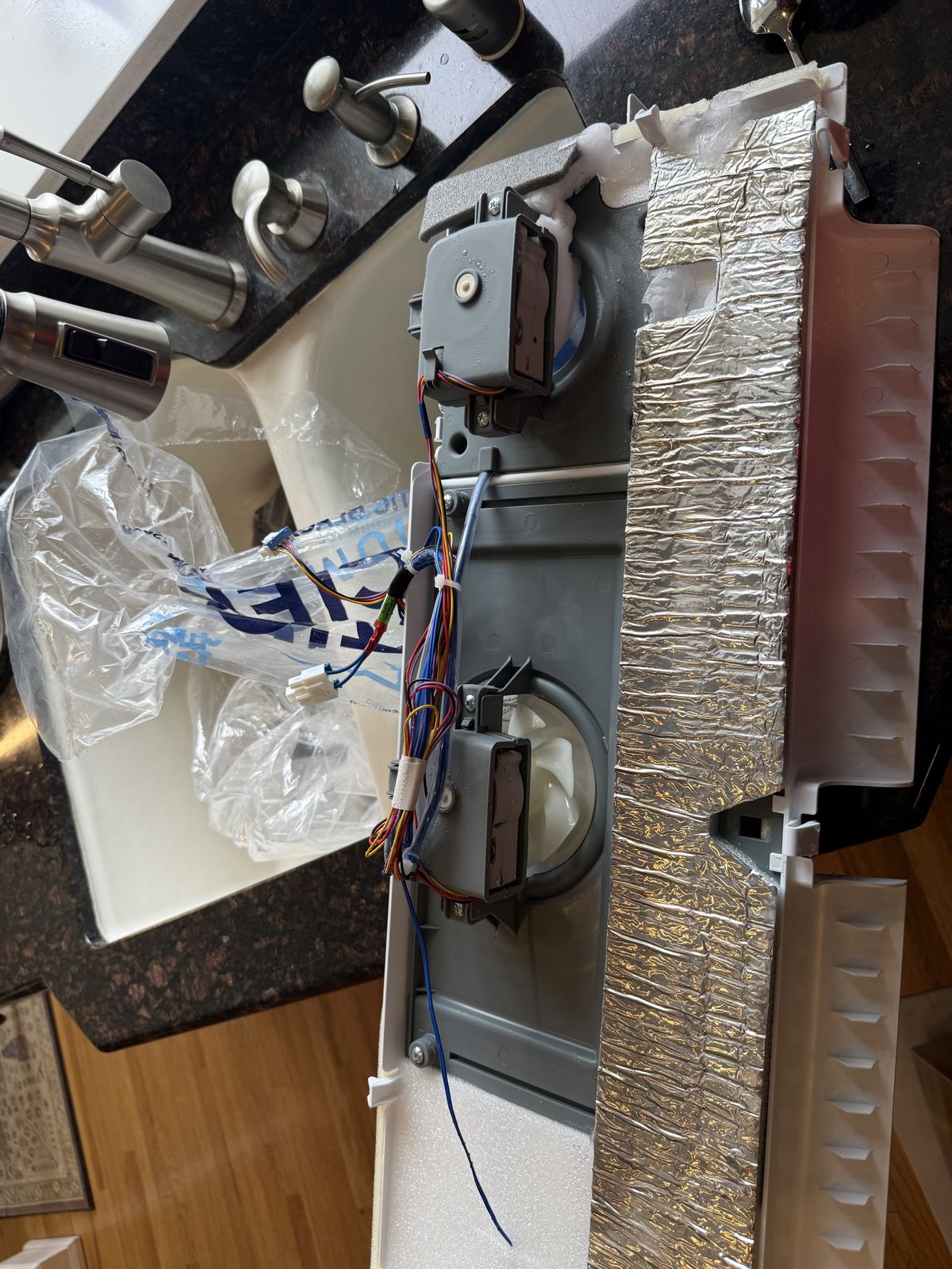
The realistic rhythm: filter on your water's clock (the label says six months; the valley's harder groundwater zones spend cartridges faster — small hollow cubes are the filter announcing itself early), bin dumped and washed quarterly with warm water and baking soda (old ice absorbs freezer odors like a sponge — if slow-melting cubes taste stale, the bin is the suspect, not the maker), and a mold and fill-path look annually, which is where scale film and the occasional dark fleck get evicted. Ten minutes a quarter, and your ice stays anonymous the way ice should be.
Commercial cubers: the schedule is not optional
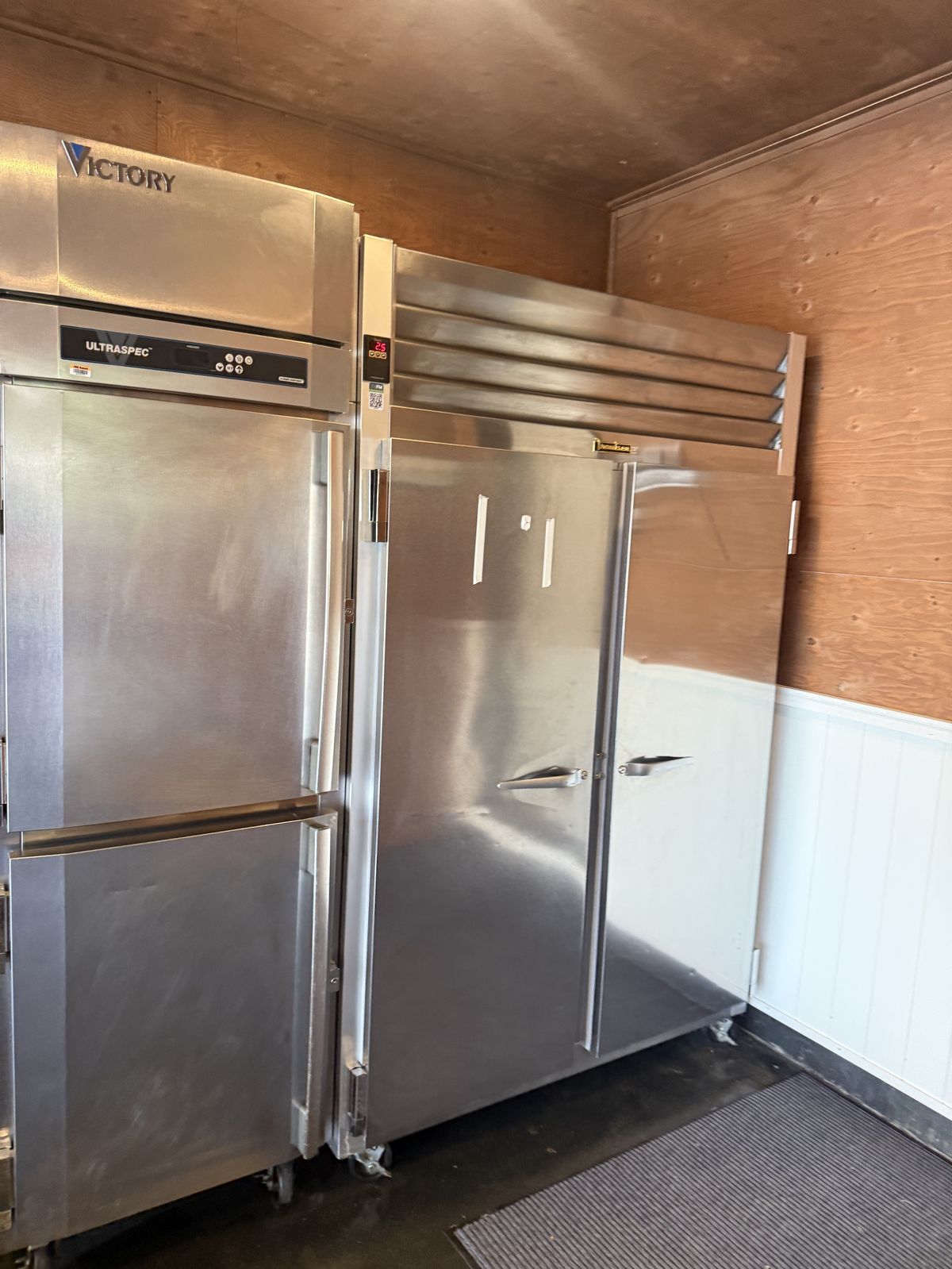
Restaurant and office machines run a formal cadence: descale and sanitize every six months minimum — quarterly on hard-water supplies or heavy use — per manufacturer procedure: cleaner circulated through the water system for scale, sanitizer for the biology, bin and door gaskets scrubbed, air filter washed. The stakes are different here: inspectors look inside the door, and the pink-orange film that grows in neglected machines is a citation with a color. If your machine's interior has developed a texture, that's not a cleaning anymore — that's a service call first, cleaning schedule second.
The signs you're overdue, either scale
Cubes shrinking or coming out cloudy-with-flecks, harvest cycles slowing, ice with a mineral or musty note, white crust on the mold or evaporator plate, and on commercial units a machine that runs longer for less ice — scale insulates the freeze plate, so the compressor pays for every skipped cleaning in runtime.
What professional cleaning adds
We circulate the correct nickel-safe chemistry (evaporator plates don't forgive generic descalers), open the paths a rag can't reach, verify water pressure and fill volume, and on commercial units document the service — useful paper when the inspector visits. Home or business, San Jose to Milpitas: it's unglamorous work that keeps the most-consumed "food" in the building tasting like exactly nothing.