You pull out chicken for dinner and find it wearing gray, dried-out patches under a fur of frost crystals. Freezer burn isn't spoilage — the food is safe, just robbed of moisture and texture — but when it starts appearing on everything, it's evidence. The question is evidence of what: your packaging, or your freezer. Here's how we tell them apart.
What's actually happening
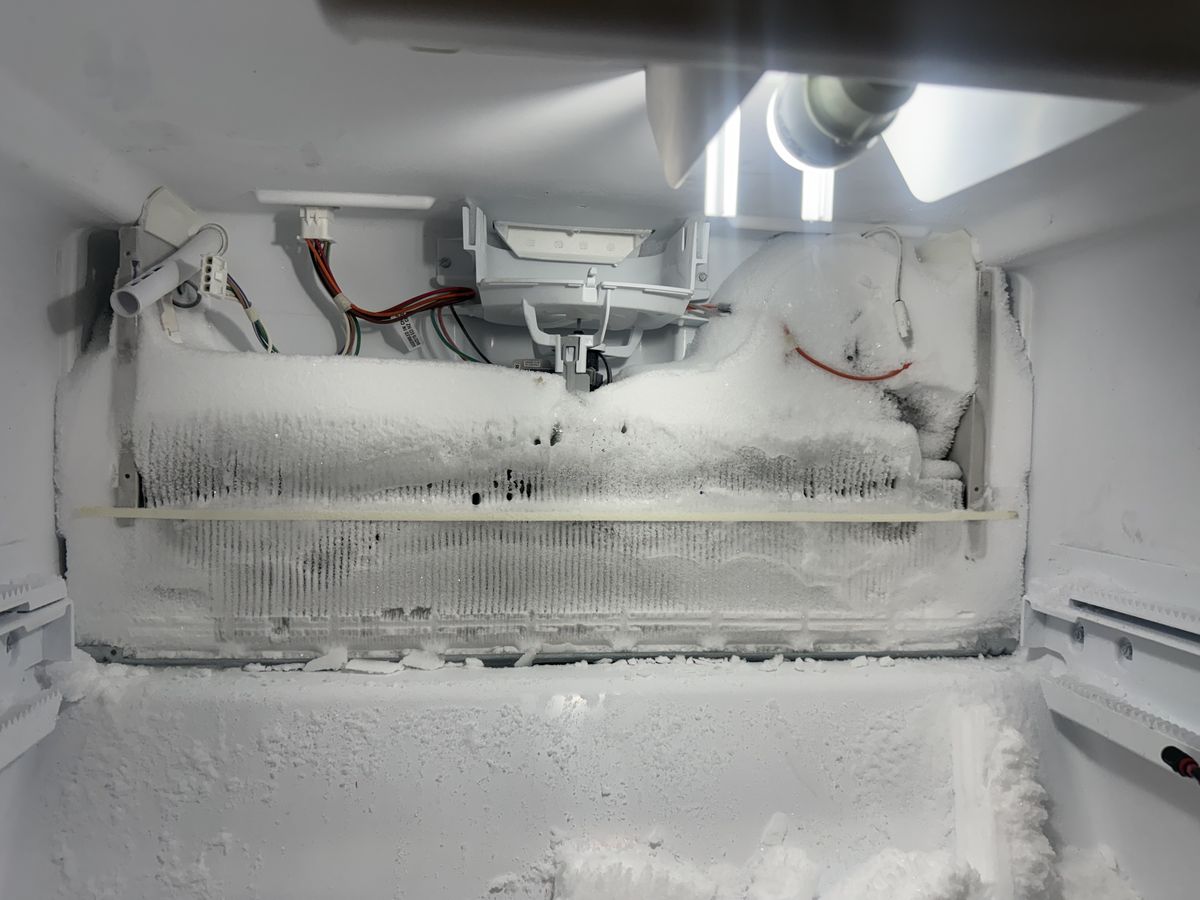
Freezer burn is sublimation: ice inside the food turning straight to vapor and migrating to the coldest surface around — the evaporator coil. Every degree of temperature swing accelerates it, because each warm-up loosens moisture and each re-freeze pulls it out. Air exposure supplies the escape route. So the two levers are air contact and temperature stability — one is yours, one is the machine's.
The packaging half (yours)
Air is the enemy: press wrap directly onto the food's surface, double-bag with the air squeezed out, use freezer-grade bags rather than sandwich bags, and date things — even perfect packaging only buys months. The classic victims are half-used bags reopened weekly and anything stored in the door, where every opening washes it in warm air.
The machine half (ours)
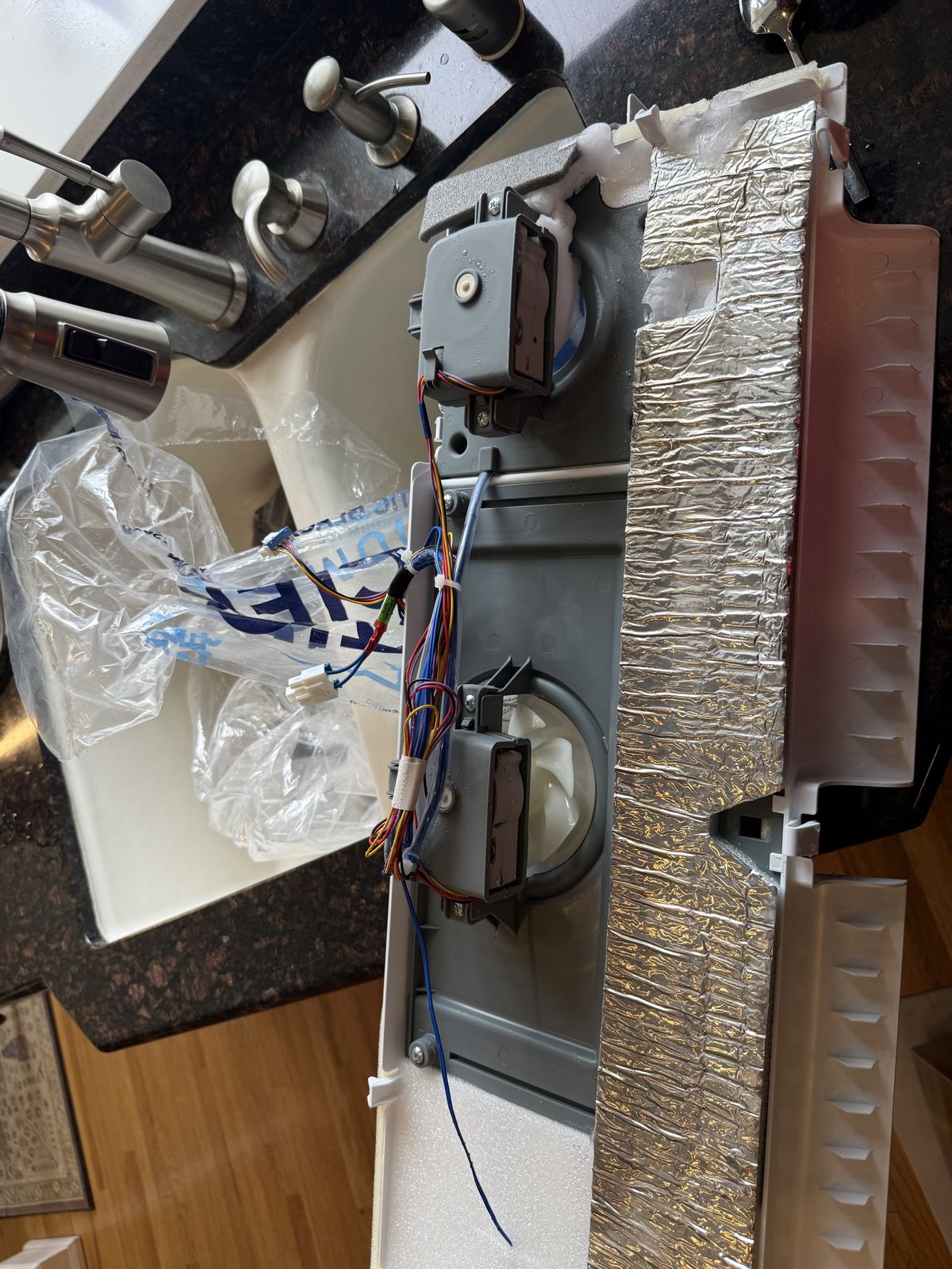
If well-wrapped, recently frozen food is burning within weeks, the freezer is cycling too warm or too wide. The suspects: a defrost system overshooting or a coil icing over (temperatures seesaw as airflow chokes), a tired door gasket feeding warm air in (frost near the door edges is its signature), a damper or sensor mis-steering the cold, or simple overpacking blocking the vents. The homeowner test costs ten dollars: park a freezer thermometer inside and check it morning and evening for two days. Steady at 0°F — the machine is innocent. Swinging between 0 and the mid-teens — book the diagnosis; that swing is also quietly stressing the compressor.
The frost-free trade-off, honestly
Frost-free freezers run mild warm-ups by design to clear their coils, which is why deep-storage purists keep manual-defrost chest freezers for the elk and the salmon. That built-in cycling is normal and modest; what's not normal is food aging months' worth in weeks. When the thermometer convicts the machine, the repair is usually one of the affordable usual suspects — and your next batch of chicken gets to taste like chicken.